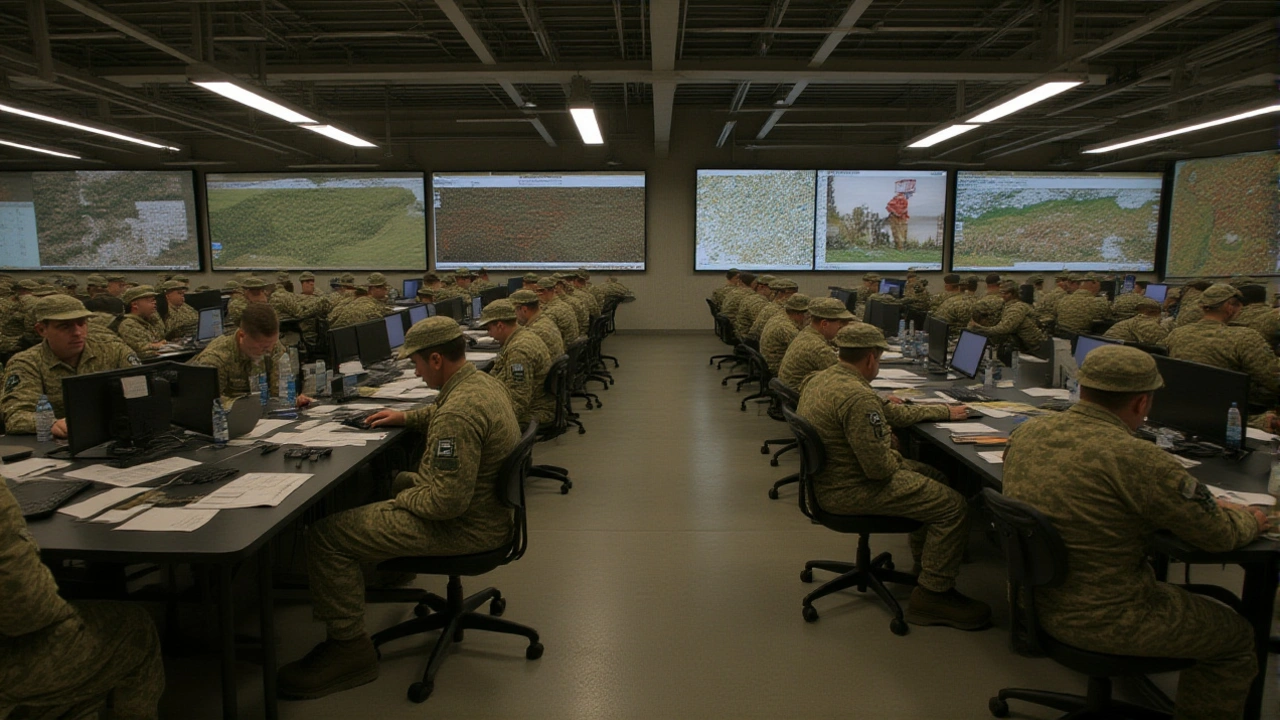
When different branches of the military—army, air force, navy, and special units—need to move as one, they rely on joint command training, a structured process that lets armed forces from different branches operate under a single command structure during missions. Also known as combined arms training, it’s not just about sharing equipment. It’s about sharing decisions, communication systems, and trust under pressure. Without it, even the most advanced weapons can fail because units don’t know who’s doing what, where, or when.
This kind of training isn’t theoretical. In places like Nigerian Army, the primary ground force responsible for internal security and counter-banditry operations across northern Nigeria, joint command training became critical after years of scattered responses to kidnappings and raids. When the Nigerian Army teamed up with air reconnaissance and intelligence units to rescue 216 hostages in Kano State, it wasn’t luck—it was months of drills where ground troops, drones, and command centers practiced speaking the same operational language. The same model applies to UN peacekeeping, multinational missions where soldiers from different countries must follow unified rules of engagement and communication protocols. In Mali, Congo, or South Sudan, success depends on whether a Ugandan infantry unit can coordinate with a Pakistani helicopter team or a Ghanaian medical corps—all under one command.
It’s not just about war. Joint command training also saves lives during natural disasters, border crises, and counter-terrorism raids. The ability to switch from routine patrols to rapid strike teams in minutes comes from repeated, realistic simulations. You don’t learn this in a classroom. You learn it by running through smoke-filled towns with navy SEALs calling in air support, or by having artillery units adjust fire based on drone feeds from an air force pilot who’s never been on the ground before. That’s the real test.
What you’ll find below are real stories of how this training works in practice—from Nigeria’s crackdown on bandits to global military exercises that keep peace from falling apart. These aren’t just headlines. They’re proof that when different forces train together, they don’t just fight better—they survive better.