
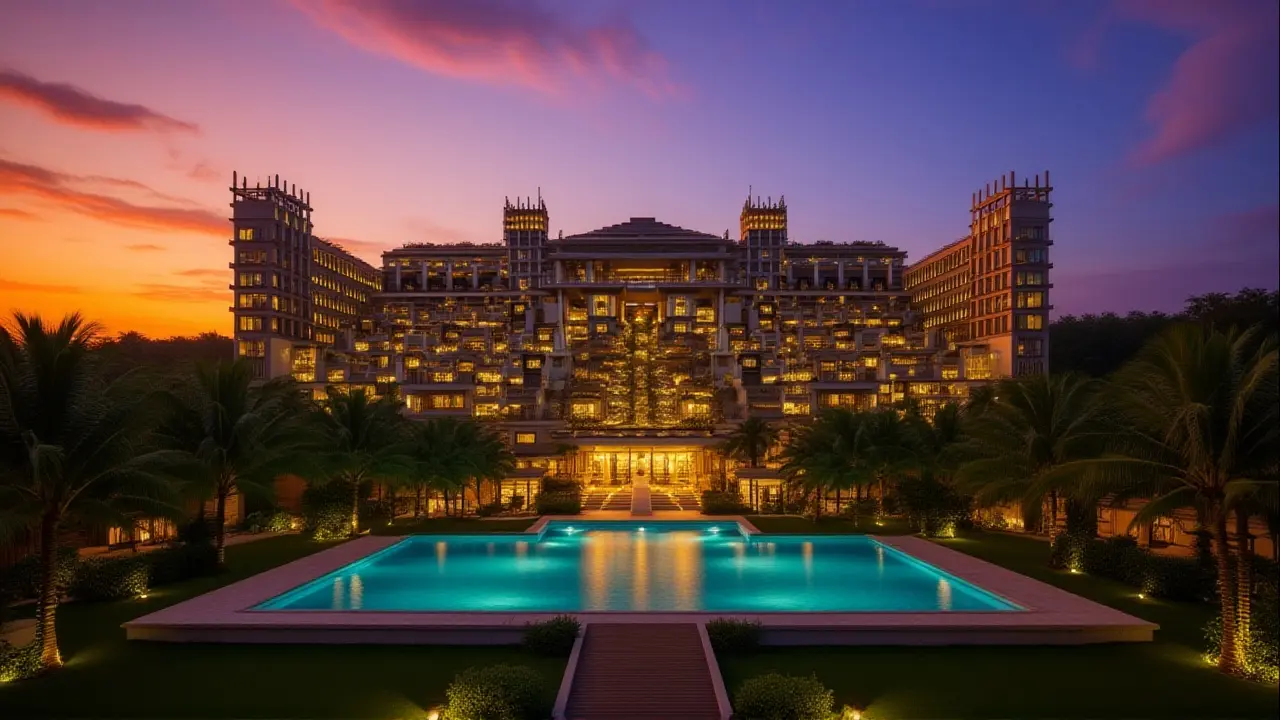
When Samsung Electronics, a global technology giant announced its latest hospitality partnership on May 8, 2026, it wasn’t just another press release. It was a signal that the definition of luxury travel is shifting from thread counts to touchscreens. The focus? A seamless integration of smart displays and cloud software at one of Indonesia’s most exclusive resorts.
The news broke via the Samsung US Newsroom, highlighting a case study at The Apurva Kempinski Bali. This five-star property in Nusa Dua has deployed Samsung Hospitality TVs alongside the LYNK Cloud platform. The goal isn't just to show movies; it's to create a personalized, frictionless guest journey that complements traditional high-end service.
Redefining "Seamless" in Luxury Hospitality
Here’s the thing: luxury travelers today don’t just want gold-plated faucets. They want convenience that feels invisible. According to the announcement, the integration allows guests to control room settings, access concierge services, and manage their stay directly through the TV interface. It sounds simple, but for a hotel group like Kempinski Hotels S.A., headquartered in Geneva, Switzerland, this represents a significant operational shift.
The twist is that this isn’t happening in isolation. While Samsung highlights the hardware-software synergy, the broader industry is moving toward what experts call "digital concierge" models. Think of it as having your personal assistant embedded in the wall. Guests can order room service, check out, or request turndown without picking up a phone. For a resort located in Nusa Dua, Bali, Indonesia, where privacy and exclusivity are paramount, this tech-driven discretion is a major selling point.
The Bigger Picture: Tech as the New Luxury
But wait—this trend extends far beyond Samsung’s ecosystem. Industry analysis from providers like INTELITY and Maestro PMS suggests that "seamless stays" are becoming the baseline expectation for upscale properties. We’re seeing a convergence where mobile pre-arrival check-ins, digital ID uploads, and automatic mobile keys are replacing front-desk queues.
For instance, other luxury properties are using platforms that integrate with Oracle Hospitality OPERA to automate the entire arrival process. A guest might book a room in New York, upload their passport via an app, and receive a digital key before they even land in Bali. Samsung’s move with The Apurva Kempinski Bali fits squarely into this narrative. It’s not just about watching Netflix; it’s about integrating the TV into the hotel’s Property Management System (PMS) so that every interaction is tracked, personalized, and efficient.
Why This Matters for Travelers
If you’ve ever struggled with a clunky hotel remote or waited twenty minutes for someone to explain how to turn off the lights, you’ll appreciate this shift. The use of LYNK Cloud means content updates and system patches happen remotely, reducing downtime and maintenance disruptions. For the guest, the screen is always responsive, always relevant. It’s the difference between a tool that works and one that anticipates your needs.
Industry Context and Competitors
While Samsung takes center stage in this specific campaign, competitors are watching closely. Companies like Canary Technologies and Maestro PMS are pushing similar browser-based, cloud-first solutions. Even properties like Hotel Crescent Court in Dallas, Texas, which boasts 226 accommodations including 40 suites, are refining their residential-style luxury with integrated tech touches.
The common thread? Efficiency meets elegance. As noted in recent industry discussions on the intersection of luxury hospitality and entertainment, demand is driven by experiences that feel effortless. Whether it’s syncing with Formula 1 schedules or streaming global music sensations, the technology must disappear into the background, leaving only the experience.
What’s Next for Smart Hotels?
The details of future rollouts are still unclear, but the trajectory is evident. Expect more partnerships between tech giants and heritage hotel brands. The Apurva Kempinski Bali serves as a proof of concept: if you can make a five-star stay feel smarter without losing its soul, you win. For now, travelers booking trips to Bali in late 2026 and beyond should expect their TVs to be the new hub of their vacation.
Frequently Asked Questions
What exactly is Samsung LYNK Cloud?
LYNK Cloud is a cloud-based hospitality software solution developed by Samsung. It allows hotels to manage in-room displays, broadcast content, and integrate various services into a single interface. Essentially, it turns standard televisions into interactive hubs for guest services, room controls, and personalized recommendations, all managed remotely by hotel staff.
How does this affect the guest experience at The Apurva Kempinski Bali?
Guests can expect a more personalized and efficient stay. Instead of calling the front desk for basic requests, they can use the TV interface to order amenities, control lighting, or access local information. The system aims to reduce friction, making the luxury experience feel smoother and more intuitive while maintaining the high level of personal service Kempinski is known for.
Is this technology available at other hotels?
Yes, Samsung Hospitality TVs and LYNK Cloud are deployed in various hotels globally. However, The Apurva Kempinski Bali is being highlighted as a specific case study for its seamless integration within a luxury context. Other competitors like INTELITY and Maestro PMS offer similar cloud-based solutions, indicating a broader industry shift toward smart, connected rooms.
When was this partnership announced?
The partnership and video feature were published on May 8, 2026, via the Samsung US Newsroom. This timing aligns with ongoing trends in hospitality technology where brands are increasingly marketing tech-enabled experiences as core components of luxury travel.
Does this replace human staff at the hotel?
No, the technology is designed to complement, not replace, human service. By automating routine tasks like checking weather or ordering standard amenities, staff can focus on more complex, personalized interactions. The goal is to enhance efficiency so that human employees have more time to provide genuine hospitality rather than acting as technical support.