When you think of the Nigerian Army, the principal land warfare force of Nigeria, responsible for national defense, internal security, and peacekeeping missions across West Africa. Also known as the Nigerian Armed Forces (Land Component), it operates under the Ministry of Defence and plays a critical role in stabilizing regions affected by Boko Haram, banditry, and separatist movements. This isn’t just about uniforms and weapons—it’s about how a military force shapes daily life in a country of over 200 million people.
The Nigerian Army, a key institution in Nigeria’s political and social landscape, often steps into roles beyond combat, including election security and humanitarian aid. Also known as Nigeria’s ground forces, it works alongside agencies like the National Identity Management Commission (NIMC) and Independent National Electoral Commission (INEC) during national elections. When NIN verification systems go down, it’s the Army that sometimes helps secure polling centers. When violence flares in the North, it’s their patrols that communities rely on. Their presence is felt in cities like Abuja, Maiduguri, and Kaduna—not just in barracks, but in neighborhoods trying to return to normal. You’ll find reports here about their operations, leadership changes, and even controversies, like when soldiers are accused of overreach or when they’re praised for rescuing hostages.
Recent stories show how the Nigerian Army is caught between tradition and modernization. On one side, there’s pressure to clean up its image after past abuses. On the other, it’s being asked to handle cybercrime investigations, track fake IDs, and even assist in tracking journalists under cyberstalking laws—like the case involving Fejiri Oliver in Delta State. Meanwhile, reforms are slow. The same questions keep coming up: Are they properly equipped? Are they trained for modern threats? And who’s really in charge when politics and security collide?
What you’ll find below isn’t just a list of headlines. It’s a collection of real moments that show how the Nigerian Army isn’t just fighting insurgents—it’s navigating elections, identity systems, press freedom, and public trust. Whether it’s helping restore NIN verification or being caught in the crosshairs of political tension, this force is never far from the center of Nigeria’s biggest stories.
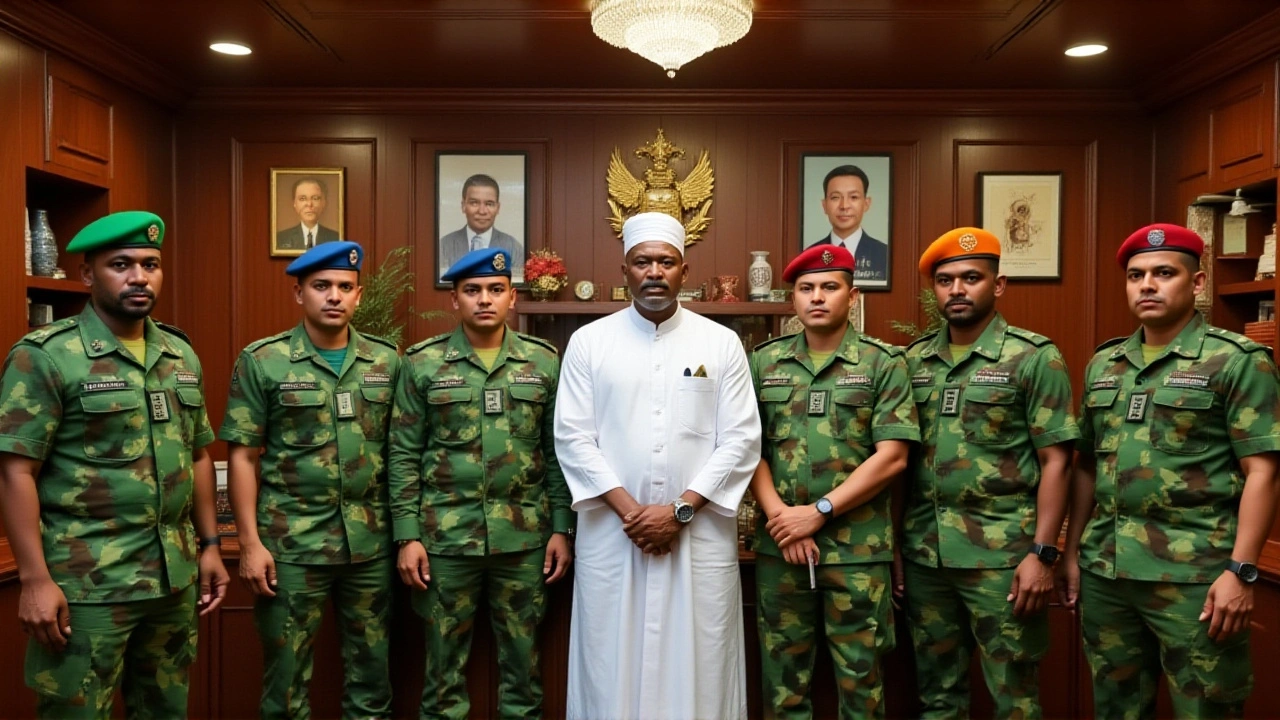
Kano State Governor Abba Kabir Yusuf and Deputy Senate President Jibrin Barau hailed the Nigerian Army’s recent crackdown that rescued 216 hostages and killed 47 bandits, signaling a turning point in northwestern Nigeria’s security crisis.
Read More