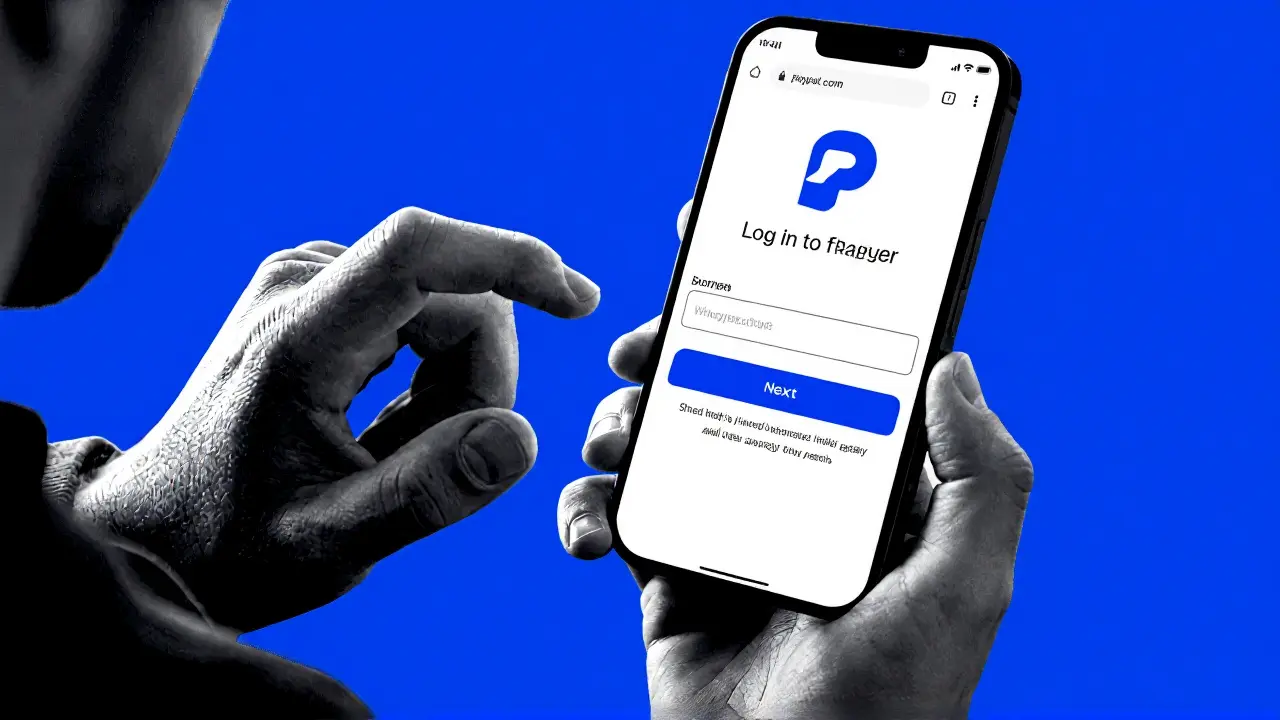
It’s a nightmare scenario for anyone relying on digital payments: you log in to check your balance, only to find it locked tight. That’s exactly what happened to thousands of Kenyans in early June 2026 when PayPal, the global payments giant, suddenly froze accounts and banned users across the country.
The crackdown, which exploded into public view around June 3, has left many remote workers and freelancers stranded without access to their hard-earned money. The American firm cited strict anti-money laundering (AML) compliance checks as the reason, but for the average user trying to pay rent or buy groceries, the explanation feels like a bureaucratic wall.
The Documentation Trap
Here’s the thing: PayPal didn’t just freeze accounts randomly. They demanded a mountain of paperwork that many Kenyans simply cannot produce. To regain access, users were asked to provide proof of identity, government-issued ID, bank statements, and—perhaps most critically—proof of physical address via utility bills.
This last requirement is where things get tricky. In many parts of Kenya, especially in informal settlements or rural areas, residents don’t have electricity, water, or internet bills registered in their names. WeeTracker reported that this specific hurdle proved impossible for many to clear. You can have a legitimate job and honest earnings, but if you can’t prove your living room exists on paper, your money stays stuck.
Users were also required to submit contracts or invoices detailing the freelance work they were paid for. For gig workers who operate through informal networks or short-term agreements, producing formal contracts is often a non-starter.
Funds Held Hostage
The consequences for failing to meet these demands are severe. According to reports from Business Daily Africa and Tuko.co.ke, affected users face an 180-day hold on their remaining balances. That’s six months of waiting before any cash might be cleared for withdrawal.
But wait—it gets worse. If an account remains non-compliant after those six months, PayPal permanently deactivates it. And here’s the kicker: the funds aren’t wired back to the sender. They’re essentially forfeited. Nation.Africa reported that millions of shillings have already been frozen, with hundreds of users permanently banned. The exact number of affected accounts remains undisclosed, adding to the anxiety.
"For many Kenyans who had seen their earnings 'held hostage' by compliance paperwork they could not produce, the situation remained unresolved," noted WeeTracker. It’s a harsh reality for a workforce that has built its livelihood on PayPal for over a decade.
Impact on the Gig Economy
Why does this matter? Because PayPal isn’t just a convenience for Kenyans; it’s a lifeline. The country has one of the most vibrant freelance and remote work communities in Africa. From software developers in Nairobi to content creators in Kisumu, thousands rely on instant cross-border payments to survive.
Techweez highlighted the growing concern in the digital financial space. While M-PESA offers a direct withdrawal option from PayPal, that doesn’t help if the PayPal account itself is frozen. Users can still see their transaction histories and balances, but they can’t send, receive, or withdraw anything. It’s like having a key to a house that’s been boarded up.
The ripple effects are immediate. Freelancers miss deadlines because they can’t verify payment receipt. Small businesses stall because they can’t pay suppliers. Trust in the platform erodes quickly when your income becomes inaccessible overnight.
What's Next for Users?
So, what should Kenyan users do now? First, gather every piece of documentation possible. Even partial compliance might prevent permanent bans. Second, consider diversifying payment methods. Relying solely on one provider is risky, as this event proves.
Experts suggest monitoring official communications from PayPal closely. While the company hasn’t announced a blanket policy change, the trend toward stricter AML enforcement is global. Other platforms may follow suit, making proactive verification essential.
For now, the clock is ticking. With 180 days becoming the new normal for fund holds, patience is required—but so is action. Don’t wait until the ban becomes permanent. Reach out to support, submit what you can, and explore alternative channels like Wise or direct bank transfers where feasible.
Frequently Asked Questions
Why did PayPal freeze my account in Kenya?
PayPal froze accounts due to heightened anti-money laundering (AML) compliance checks. Users were required to submit extensive documentation, including proof of address via utility bills, government ID, bank statements, and work contracts. Failure to provide these documents resulted in temporary freezes or permanent bans.
How long will my funds be held?
Funds may be held for up to 180 days (six months) while PayPal reviews your compliance status. If you fail to meet the requirements within this period, your account may be permanently deactivated, and remaining funds might not be returned to the sender.
Can I still use M-PESA if my PayPal is frozen?
No. While M-PESA is a valid withdrawal method for active accounts, a frozen PayPal account prevents all transactions, including withdrawals to M-PESA. You cannot move money out until the freeze is lifted or the account is fully compliant.
What happens if I don't have a utility bill in my name?
This is a major challenge for many Kenyans. PayPal requires formal proof of address, typically via electricity, water, or internet bills. Without these, proving residency is difficult. Users are advised to contact PayPal support immediately to explore alternative documentation options, though success is not guaranteed.
Are there alternatives to PayPal for Kenyan freelancers?
Yes. Consider using platforms like Wise, Payoneer, or direct bank wire transfers. Diversifying your payment methods reduces risk. Some freelancers are also exploring cryptocurrency wallets, though volatility and regulatory uncertainty remain factors to consider.